May 18, 2026 - By Monique Thompson
What to Wear to a Government Job Interview
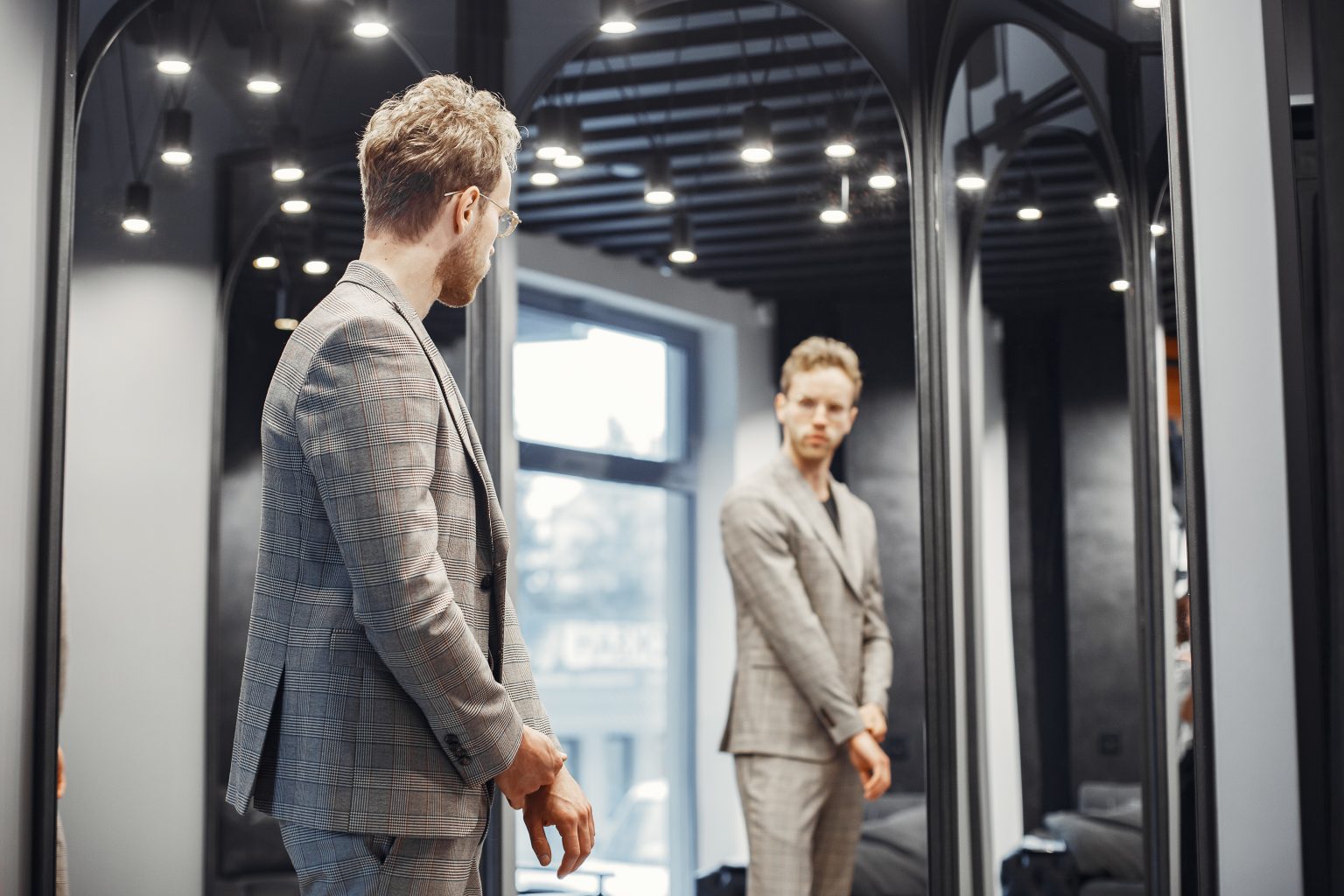
Dressing professionally for a government job interview can strongly influence how the selection panel perceives your seriousness, judgment, and suitability for the role. While your skills, experience and interview responses remain the most important factors, your presentation contributes to the overall impression you create from the moment you arrive. Government roles often require professionalism, discretion, sound judgement and the ability to represent an agency, department or public sector organisation appropriately, so your appearance should reflect these expectations.
The challenge is often knowing what level of attire is appropriate, particularly across APS, State Government, local council, health, education, justice, regulatory, administrative and frontline public sector roles. Your goal should be to present yourself as a polished, capable and credible candidate who understands workplace standards and can represent the organisation with confidence. This means paying close attention to every aspect of your appearance, including clothing, grooming, footwear, accessories, posture and personal presentation.
Choose attire that is neat, clean, well-fitted and suitable for the level and nature of the position. For office-based, policy, administration, executive, legal, finance or corporate government roles, professional business attire is generally the safest option. For operational, community-based, or field-focused government positions, you should still dress neatly and respectfully, ensuring your clothing reflects sound judgment and a professional presentation. Avoid clothing that is too casual, distracting, revealing, heavily branded or poorly maintained. A simple, professional presentation is usually most effective because it allows the panel to focus on your capability, communication style and alignment with the role.
Impeccable grooming and attention to detail can also communicate reliability, respect and professionalism, qualities that are highly valued across government recruitment. Your presentation should reinforce the message that you are prepared, composed, and serious about contributing to public-sector service delivery.
Here’s your guide to deciding what to wear to a job interview:
Tip #1 – Research the government organisation
Be familiar with the government agency’s dress code expectations before your interview by reviewing any available information on its website, careers page, social media platforms, or employee profiles. This can help you understand whether the workplace presents as corporate, business casual, uniformed, frontline, operational, or community-focused. For APS, State Government, local council and public sector roles, it is generally better to dress slightly more professionally than too casually, as this demonstrates respect for the interview process and the selection panel.
You may also contact the HR team, recruitment contact, or nominated officer listed in the job advertisement to politely ask about appropriate interview attire, particularly if the role is field-based, operational, or involves site attendance. This shows initiative, preparation and a genuine interest in presenting yourself appropriately. Taking the time to understand the organisation’s expectations can help you arrive feeling confident, polished and well-prepared for the interview.
Tip #2 – Dress According to the Type of Government Role
Different government roles and work environments may have slightly different expectations, so it is important to dress in a way that reflects the position, agency and level of responsibility.
- For corporate government roles, such as finance, policy, administration, executive support, project management, legal, human resources, procurement or governance positions, professional business attire is usually the safest choice. This may include a suit, tailored pantsuit, blazer, dress shirt, blouse, tailored dress or other polished business clothing. These roles often require strong judgement, professionalism and the ability to represent the department confidently in meetings, briefings or stakeholder discussions.
- For health, education, community services or customer-facing government roles, smart business attire or polished business casual clothing may be appropriate. These roles often require approachability, empathy and professionalism, so your outfit should be neat, respectful and practical while still presenting you as a serious candidate. A blazer, tailored pants, modest dress, collared shirt or professional blouse can help create the right balance between warmth and credibility.
- For operational, compliance, field-based, trade or emergency services roles, your interview attire should still be clean, tidy and professional, even if the work itself is practical or uniform-based. Business casual is often a safe option unless otherwise advised. This may include tailored pants, a collared shirt, blouse, neat shoes and minimal accessories. Avoid worksite clothing unless specifically requested, as the interview is still a formal recruitment process.
- For local council, frontline service, regulatory or community engagement roles, aim for attire that is professional, practical and aligned with public-facing responsibilities. You want the panel to see that you can represent the organisation appropriately when dealing with residents, stakeholders, clients, contractors or members of the public.
Business casual is generally less formal than traditional business wear but should still convey a polished, respectful and capable impression. It is more professional than jeans, t-shirts and sneakers, but less formal than a full suit and tie. When unsure, it is usually better to dress slightly more professionally than too casually.
Tip #3 – Accessorise Professionally
Accessories can help complete your interview outfit and create a polished, confident and professional impression. For government job interviews, the key is to choose accessories that are subtle, appropriate and aligned with the formality of the role. Your accessories should complement your overall presentation rather than distract from your responses, experience and suitability for the position.
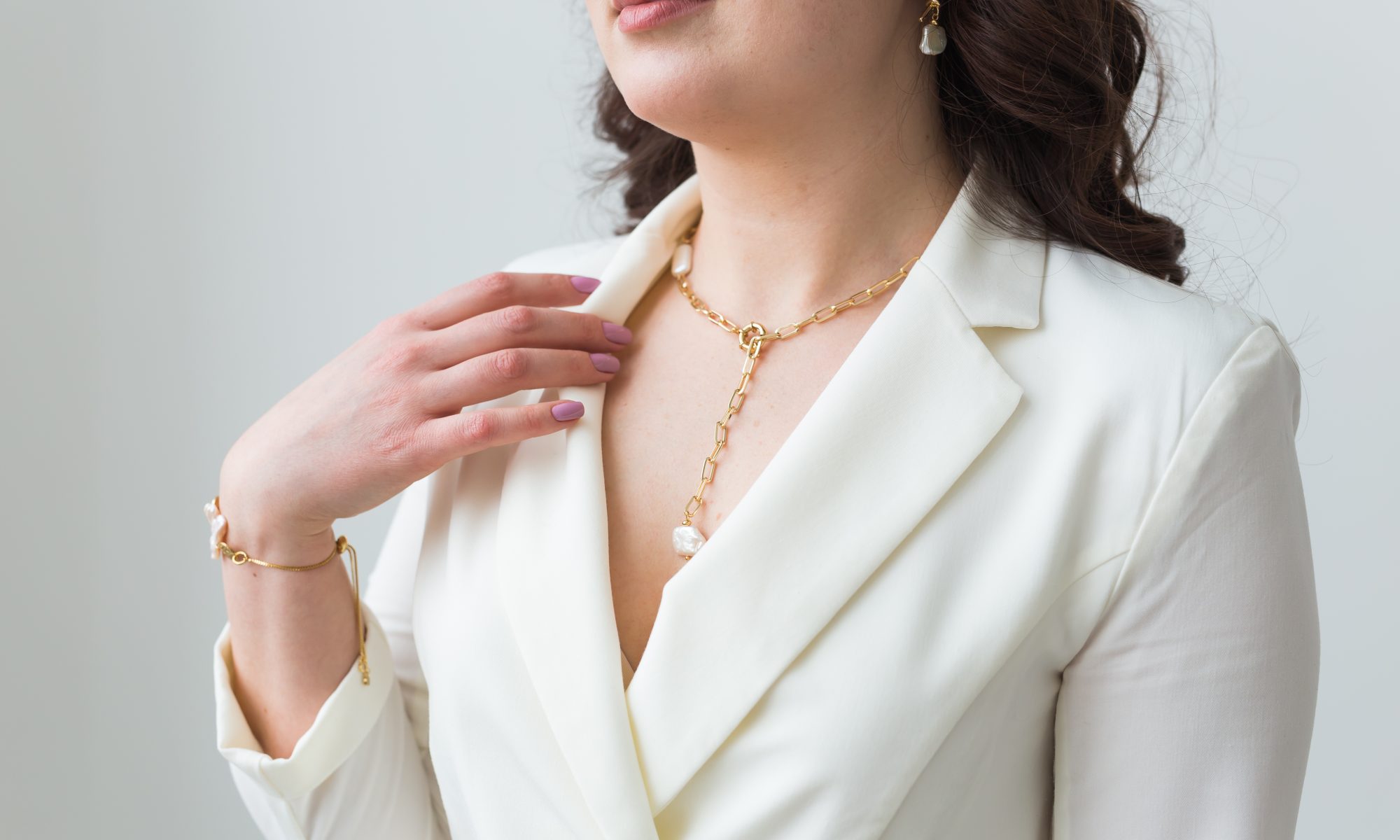
Simple, understated choices are usually best. This may include a professional watch, modest jewellery, a neat belt, polished shoes, a structured handbag, a tidy portfolio folder or a professional laptop bag. If wearing a tie, choose one that is conservative, clean and well-matched to your shirt and suit. Avoid accessories that are overly bright, noisy, oversized, heavily branded or distracting, as they may draw attention away from the quality of your interview answers.
For government interviews, your presentation should communicate judgment, reliability and respect for the recruitment process. Accessories should support that impression by showing attention to detail without appearing excessive. The classic rule is always useful: less is more. A clean, coordinated and professional appearance will help you look prepared, composed and ready to represent the agency appropriately.
What NOT to Wear to a Job Interview
The way you dress makes the best possible first impression. There are some you should avoid for your next interview. Regardless of the Industry, the following items are deemed unprofessional:
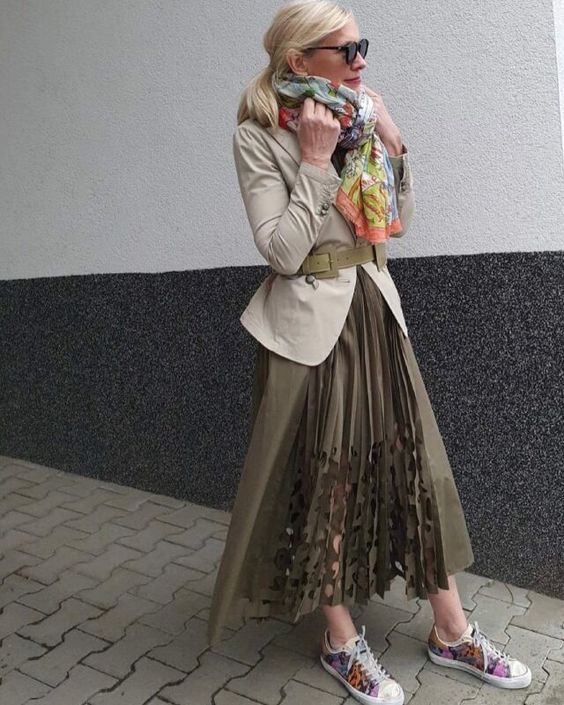
- Open-toed shoes, sneakers, and runners
- Dated Fashion
- Wacky or Novelty Ties
- Thin-strapped singlet, muscle shirts for men, and casual slogan t-shirts
- Jewellery that is too bright or too noisy
- Shorts
- Visible undergarments
- Crop tops, blouses, and dresses with plunging necklines
- Overpowering perfume and cologne
- Chipped or bright nail polish
- Wrinkled clothing
Browse our Prices and Packages
Contact our Expert Writing Team